
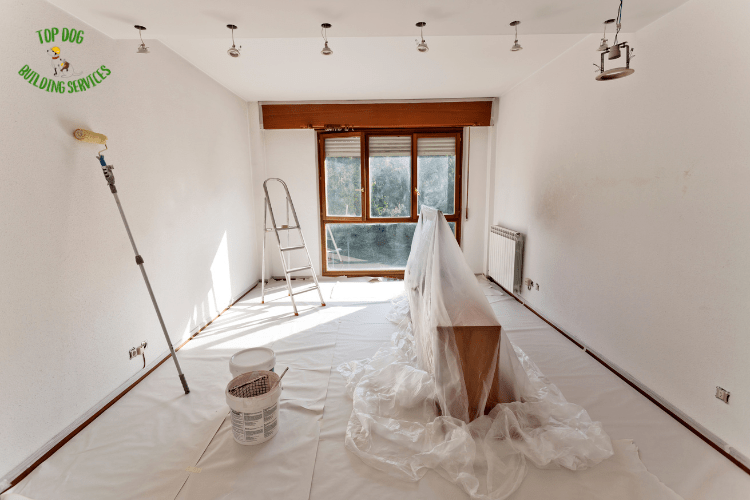
The Importance of Room Preparation Before Decorating
When it comes to decorating your home, preparation is the key to achieving a flawless and long-lasting finish. Whether you’re painting walls, hanging wallpaper, or tackling more complex renovations, thorough prep work lays the foundation for a successful project. Skipping this vital step can lead to subpar results and wasted time and money. In this blog, we’ll discuss why prep work is essential before decorating and provide tips to help UK homeowners get it right.
Why is Prep Work Important?
- Achieving a Professional Finish
- Proper preparation ensures smooth, even surfaces, which are crucial for a high-quality finish.
- It eliminates imperfections such as cracks, holes, or peeling paint that can detract from the final result.
- Improved Adhesion
- Cleaning and priming surfaces allow paint, wallpaper, or other materials to adhere properly, reducing the risk of peeling or bubbling over time.
- This is especially important in the UK, where damp and variable weather conditions can affect materials.
- Increased Durability
- Prep work extends the life of your decorating efforts by addressing underlying issues that could cause damage later.
- Proper sealing and priming protect surfaces from moisture, stains, and wear.
- Cost and Time Efficiency
- Addressing problems before decorating saves money by reducing the need for repairs or rework.
- Well-prepared surfaces require fewer coats of paint or adhesive, saving both time and materials.
5. Enhances Safety
- Prep work involves checking for hazards such as loose plaster, damp spots or mould which can pose risks to your health and home.
- Resolving these issues ensures a safe and secure environment for your decorating project.
Essential Prep Work Steps
- Assess the Surface
- Inspect walls, ceilings, and other surfaces for cracks, holes, damp patches, or uneven areas.
- Identify any areas that require repair or additional treatment.
- Clean Thoroughly
- Remove dust, grease, and grime using a suitable cleaner or sugar soap.
- In kitchens and bathrooms, pay extra attention to grease and mildew buildup.
- Repair Damage
- Fill cracks and holes with an appropriate filler and sand the surface smooth once dry.
- Replace or repair damaged plaster, skirting boards, or trims as needed.
- Address Damp and Mould
- Check for signs of damp or mould, common in UK homes due to the climate.
- Treat affected areas with anti-mould solutions and ensure adequate ventilation to prevent recurrence.
- Sand and Smooth
- Sand surfaces to remove old paint, rough edges, or uneven textures.
- Use fine-grit sandpaper for a smooth finish, ensuring the surface is ready for paint or wallpaper.
- Prime the Surface
- Apply a primer or undercoat to ensure even coverage and better adhesion.
- Choose a primer suitable for the surface and the type of finish you’re applying.
- Protect Surrounding Areas
- Use masking tape to protect edges and trims.
- Cover floors, furniture, and fixtures with dust sheets to prevent accidental spills or splatters.
Common Mistakes to Avoid
- Skipping Cleaning
- Painting over dirty or greasy surfaces can result in poor adhesion and an uneven finish.
- Ignoring Repairs
- Failing to fix cracks, holes, or damp issues can lead to peeling paint or damaged wallpaper later on.
- Rushing the Process
- Allow adequate drying time for fillers, primers, and other materials to avoid compromising the finish.
- Using the Wrong Materials
- Select products designed for UK homes and weather conditions, such as mould-resistant paints or damp-proof primers.
Benefits of Proper Prep Work
- Long-Lasting Results: A well-prepared surface ensures your decorating efforts stand the test of time.
- Enhanced Appearance: Smooth, clean walls and even finishes create a polished and professional look.
- Reduced Costs: Avoiding rework and using fewer materials saves money in the long run.
- Peace of Mind: Knowing your surfaces are properly treated and protected allows you to enjoy your space without worry.
Conclusion
Preparation is the cornerstone of any successful decorating project. Taking the time to clean, repair, and prime your surfaces will ensure a stunning finish that lasts for years to come. For UK homeowners, addressing common challenges such as damp, mould, and uneven walls is particularly important. By investing in proper prep work, you’ll save time, money, and frustration while achieving a home you can be proud of.
If you don’t fancy the decorating yourself, please get in touch with us for a free, no obligation quote. You can view more of our work on our GALLERY page.